Your home’s siding is one of its biggest protectors—shielding your structure from weather, moisture, and outdoor pollutants. But over time, dirt, grime, mold, and algae build up on its surface, slowly eating away at its durability and appearance. The good news? Regular professional pressure washing can reverse that process.
When done safely and correctly, pressure washing extends the lifespan of your home’s siding by removing the contaminants that cause premature decay, fading, and material failure. For homeowners in York County, Rock Hill, Fort Mill, and nearby areas, RC Power Cleaning provides expert washing solutions that help preserve siding and protect property value for years.
Why Dirty Siding Fails Faster Than You Think
Many homeowners underestimate how much damage neglected siding can cause. Dirt and biological growth aren’t just cosmetic issues—they’re the start of deterioration.
When grime, pollen, and mildew stick to the siding surface, they trap moisture against it. That moisture weakens paint or protective coatings, seeps into seams, and accelerates rot on wood and swelling in composite panels. On vinyl and aluminum, organic buildup promotes oxidation, discoloration, and brittleness.
Even pollutants from nearby roads or industrial areas deposit acidic particles that gradually eat through the siding’s finish. Combine that with the heat and UV exposure of South Carolina’s climate, and unwashed siding can lose its integrity far sooner than expected.
Simply put—if you want your siding to reach its full lifespan, cleanliness isn’t optional. It’s essential maintenance.
How Pressure Washing Extends the Lifespan of Your Home’s Siding

Professional pressure washing extends the lifespan of your home’s siding through several protective mechanisms.
First, it removes biological contaminants like algae, moss, and mildew that retain moisture and promote decay. It also clears away pollutants and oxidation before they can cause staining or chemical breakdown. When these agents are gone, your siding dries faster and resists surface wear.
Secondly, a clean surface allows paints, sealants, and protective coatings to adhere properly. This means fewer repainting cycles and a longer-lasting finish. Over time, that adds up to significant savings—preventing costly repairs or premature replacement.
Lastly, regular washing prevents hidden damage. By washing away the buildup around seams, joints, and drainage channels, you reduce the risk of trapped water causing swelling, delamination, or rust behind panels.
Material-Specific Benefits of Pressure Washing
Different siding materials respond differently to weather and moisture exposure—but they all benefit from scheduled cleaning.
Vinyl Siding
Vinyl is durable, but it’s not immune to algae and oxidation. Soft washing once or twice a year restores its original color and prevents brittle cracking caused by long-term UV buildup. It also reduces chalking—the white residue that appears when oxidation worsens.
Wood or Cedar Siding
Wood siding is beautiful but porous. Dirt and mildew retain moisture that causes swelling, rot, and paint failure. A gentle, soft wash with eco-safe cleaners lifts away grime without damaging the wood grain, extending both its structural life and paint cycles.
Fiber-Cement Siding
Though highly durable, fiber cement still benefits from gentle cleaning to remove embedded dirt and organic stains. Keeping it clean prevents surface dulling and helps the finish coatings last longer, maintaining curb appeal and protection.
Aluminum or Metal Siding
Metal siding oxidizes and corrodes if pollutants and grime sit too long. A professional pressure wash removes these contaminants, ensuring your protective paint layer continues to resist rust and fading.
Stucco or Brick Exteriors
Masonry surfaces develop black algae, soot, and efflorescence. A careful low-pressure rinse combined with the right detergent clears buildup from the pores without eroding mortar joints—helping brick and stucco last decades longer.
How Often Should You Wash Your Home’s Siding?
There’s no single rule for every property. The right cleaning frequency depends on climate, exposure, and surroundings.
For most homes in York County and surrounding South Carolina communities, a yearly pressure washing is ideal. Homes shaded by trees or near lakes may require cleaning every 6–9 months due to higher moisture and algae growth.
Dry, open, and sunny properties can go up to 18–24 months between washes. You should also schedule a wash after extreme weather events, pollen season, or nearby construction that kicks up dust.
If you notice green streaks, gray film, or dull color on your siding, it’s already time for a clean. Waiting longer only allows deeper staining and potential damage beneath the surface.
Soft Washing vs. High-Pressure Cleaning: Which Is Safer?
A common misconception is that more pressure equals better results. In reality, using too much pressure can damage siding, blow water behind panels, or strip protective coatings.
That’s why professionals like RC Power Cleaning use soft washing methods—combining controlled low pressure with specialized biodegradable detergents. The cleaning solution breaks down mold, mildew, and grime at the molecular level, while the gentle rinse safely removes it without harm to your siding, plants, or property.
For durable materials like concrete or certain metal sidings, moderate pressure may still be used, but always with the correct nozzles, angles, and flow rates to ensure complete safety.
Real Value: Saving Thousands in Repairs and Replacements
Replacing siding isn’t cheap. Depending on material, installation, and home size, homeowners may spend anywhere from $10,000 to $25,000 or more.
Regular maintenance, including pressure washing to extend the lifespan of your home’s siding, protects that investment. For example:
-
Vinyl siding that typically lasts 25–30 years can easily exceed 40 years with consistent cleaning and care.
-
Wood siding that requires repainting every 5–7 years can stretch that interval to 10 years when kept clean and dry.
-
Fiber cement siding may never need premature repainting if grime and algae are kept at bay.
In short, investing a small amount in annual maintenance can save thousands in premature replacements or repairs.
DIY vs. Professional Pressure Washing
You can rent a pressure washer, but doing it yourself isn’t always wise. Homeowners often use excessive pressure, improper tips, or harsh chemicals—leading to cracked panels, water intrusion, or destroyed paintwork.
Professional washing by RC Power Cleaning eliminates these risks. Our trained technicians understand the PSI, nozzle, and cleaning solution best suited for every surface type. We protect landscaping, electrical outlets, and windows, ensuring a spotless finish without damage.
Plus, we’re equipped with high-grade commercial systems and eco-friendly detergents designed for long-lasting results—leaving your siding bright, sanitized, and fully protected.
Best Time of Year for Pressure Washing in South Carolina
In the Carolinas, spring and fall are the best seasons to schedule siding cleaning. Spring removes the grime and pollen buildup from winter, while fall eliminates summer algae growth before colder months arrive.
Avoid freezing temperatures or periods of heavy rain. RC Power Cleaning’s local team monitors weather and moisture conditions to pick the ideal window for safe, effective results.
Preparing Your Home Before Washing
Before a professional wash, it helps to:
-
Close all windows and doors.
-
Move patio furniture and potted plants away from walls.
-
Ensure outdoor outlets are covered or sealed.
-
Notify your technician about any delicate paint, caulking, or areas of concern.
After cleaning, your home’s siding should dry within hours. You can inspect it for missed spots, note areas that may need repainting, or schedule gutter and roof cleaning for a full exterior refresh.
Why Choose RC Power Cleaning?
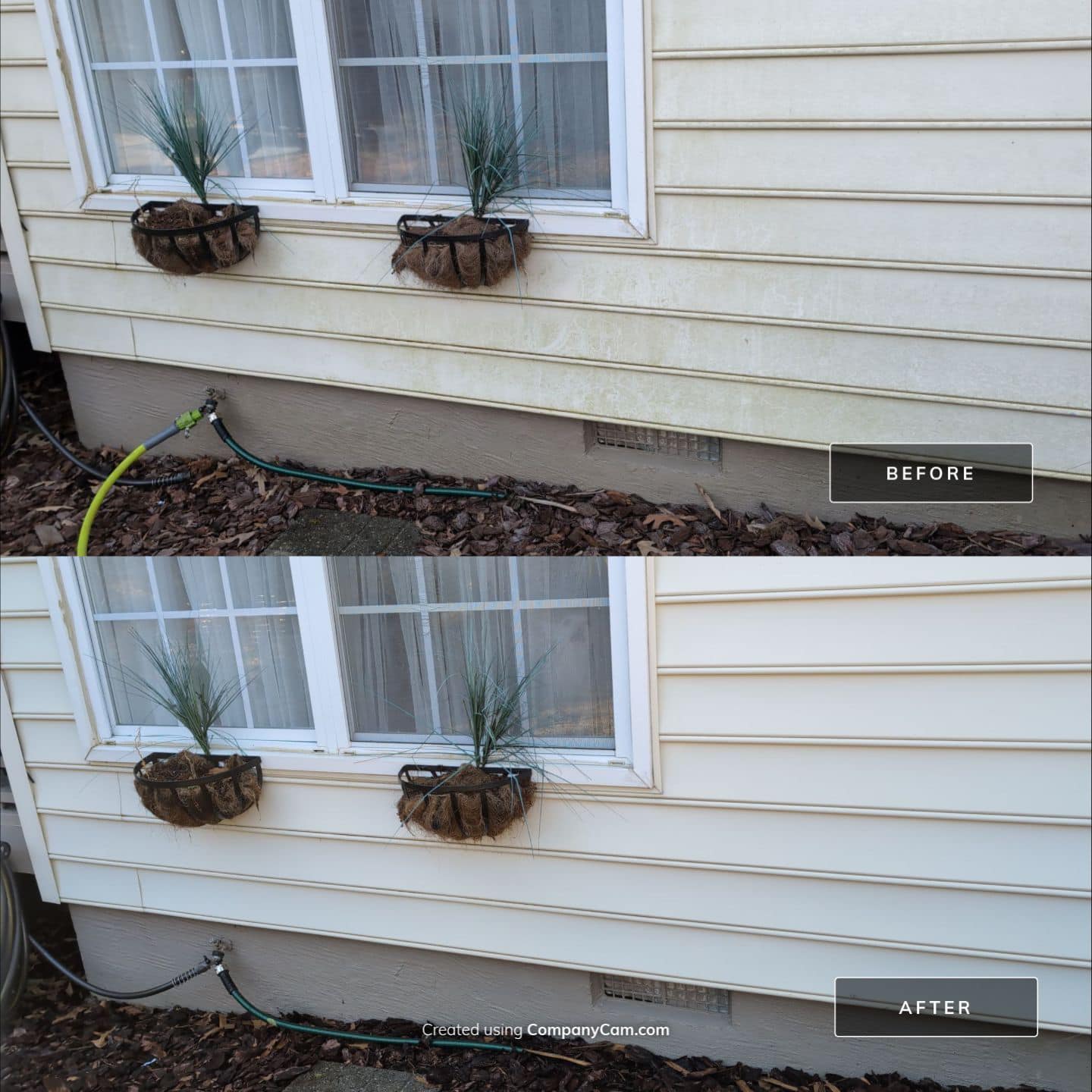
RC Power Cleaning isn’t just another pressure washing company—we’re your local exterior care specialists. Our experienced team serves York County, Rock Hill, Fort Mill, Tega Cay, Clover, and surrounding communities with high-quality, damage-free cleaning.
We use modern equipment, calibrated for each siding type, and safe biodegradable detergents. Every project is handled with care, from siding and roof washing to gutters, concrete, decks, and fences.
Our mission is simple: to protect your investment, enhance curb appeal, and extend the lifespan of your home’s siding and exterior surfaces.
Request Your Free Estimate Today →
FAQs About Pressure Washing and Siding Longevity
How often should I pressure wash my siding?
Once a year is ideal, though shaded or humid properties may need cleaning twice yearly to prevent algae growth.
Is pressure washing safe for all siding types?
Yes—when performed by professionals who use soft washing or low PSI methods. DIY high-pressure washing can damage paint and caulking.
Will pressure washing void my siding warranty?
Not when done correctly. In fact, most siding manufacturers recommend periodic cleaning to maintain warranty coverage.
Can pressure washing help paint last longer?
Absolutely. Clean siding allows paint to bond properly, reducing peeling and extending the coating’s lifespan.
Do I need special chemicals for mold or mildew?
Our solutions contain safe algaecides and surfactants that kill organic growth and prevent it from returning.